Chapter I
The role of formal pants in modern menswear
Menswear is often described from the top down: the collar, the tie, the cut of the jacket. Yet the trouser covers more than half the body’s height and decides how a man stands, walks and sits. It sets the proportion of the whole outfit. A long, clean trouser line adds height and calm; a poorly judged one breaks the figure in two.
Formal pants are also the hardest-working piece in a professional wardrobe. Jackets come off in air-conditioned offices and ties are optional in many workplaces, but trousers are worn through every meeting, every commute and every long afternoon. They need to look composed at nine in the morning and still be presentable at eight at night.
The modern formal trouser has to be versatile. It might be worn with a full suit jacket on Monday, with an open-collar shirt and loafers on Thursday, and with a knit polo on a weekend lunch. The best formal pants handle all of these without losing their character.
Chapter II
Classic versus contemporary styling
Neither approach is more correct. They are different ways of building proportion. Classic styling inherits the traditions of suit tailoring: more cloth, a defined crease, a rise that meets the natural waist and a hem that just touches the shoe. Contemporary styling streamlines: closer cuts, cleaner fronts, shorter lengths and a narrower opening.
Classic
- Mid to high rise, sitting at or near the natural waist
- Straight or gently tapered leg with room through the thigh
- Pleats or a flat front; pressed centre crease
- Slight to medium break over the shoe
- Pairs with structured jackets, oxfords and derbies
Contemporary
- Mid rise, sitting a little lower on the hip
- Slim or tapered leg that follows the body more closely
- Flat front; crease optional or softer
- No break or a cropped, ankle-skimming length
- Pairs with shorter jackets, loafers and minimal accessories
Many men now mix the two: a classic rise with a modern taper, or a clean flat front with a traditional length. What matters is that every choice in the outfit points the same way. A slim, cropped trouser under a long, roomy jacket looks unresolved. The same trouser under a short, fitted jacket looks deliberate.
Chapter III
Formal pants for professional environments
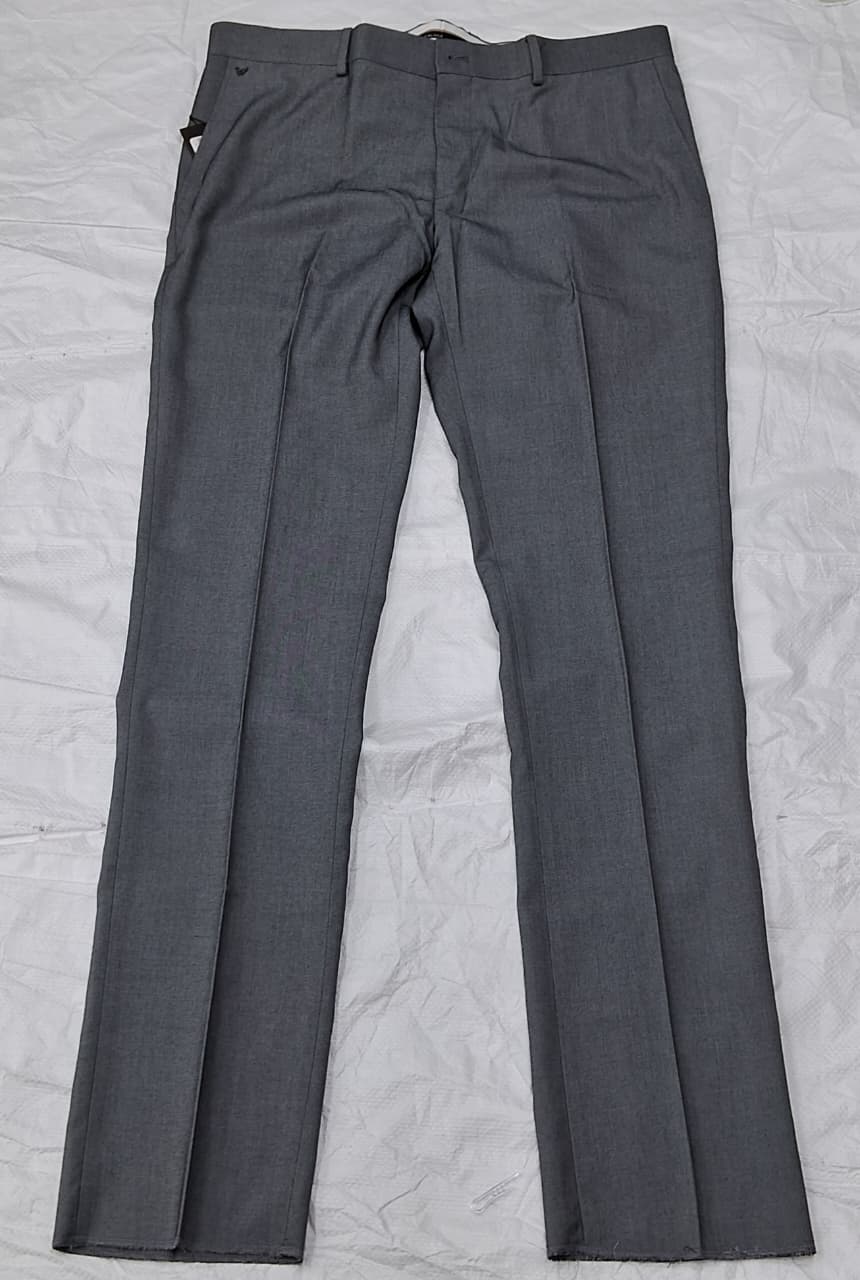
Every workplace has its own dress language. Conservative sectors such as law, finance and senior client-facing roles still favour dark, plain trousers: charcoal, navy and black, often worn as part of a suit or with a matching blazer. Here the trouser’s job is to be quietly faultless: crisp crease, correct length, no distractions.
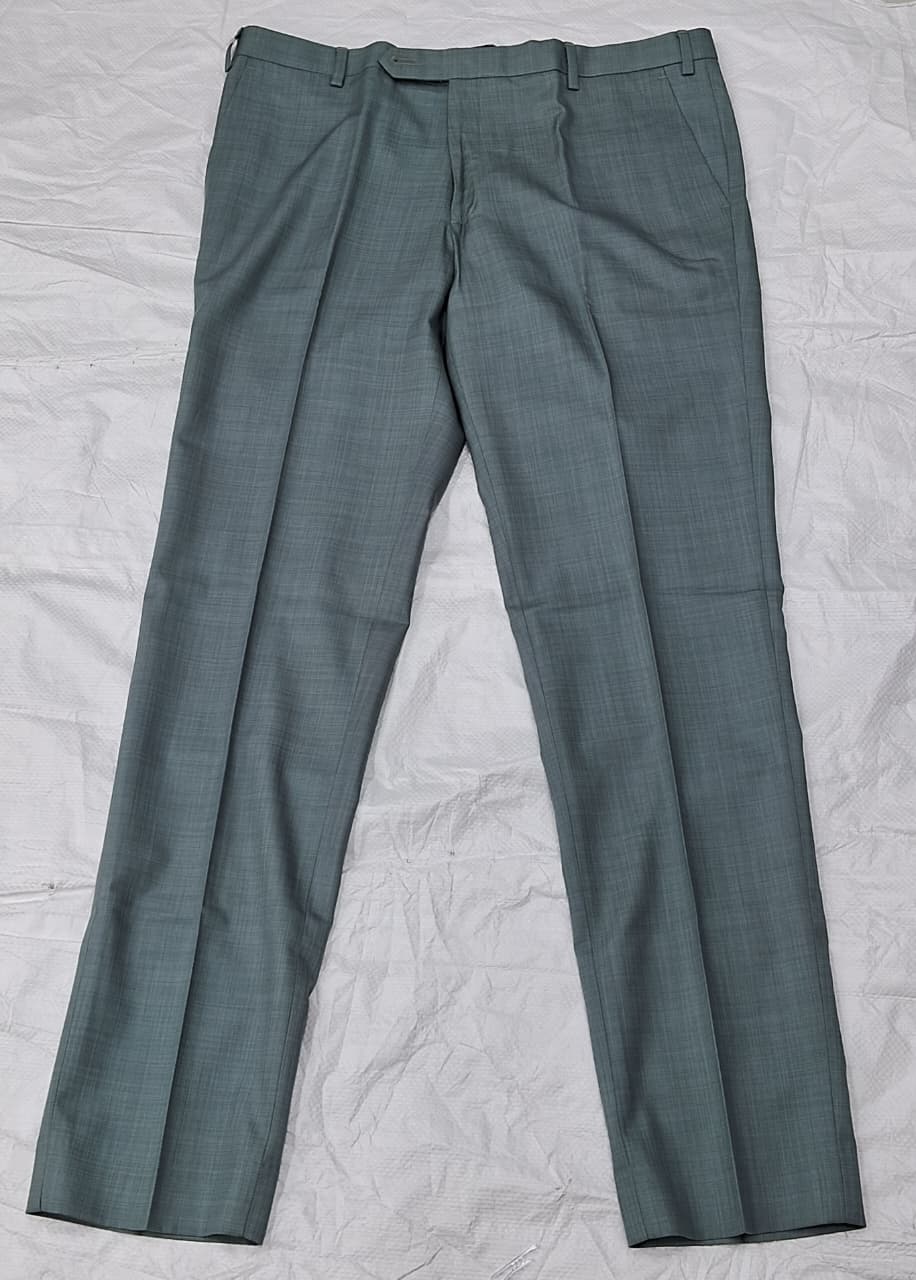
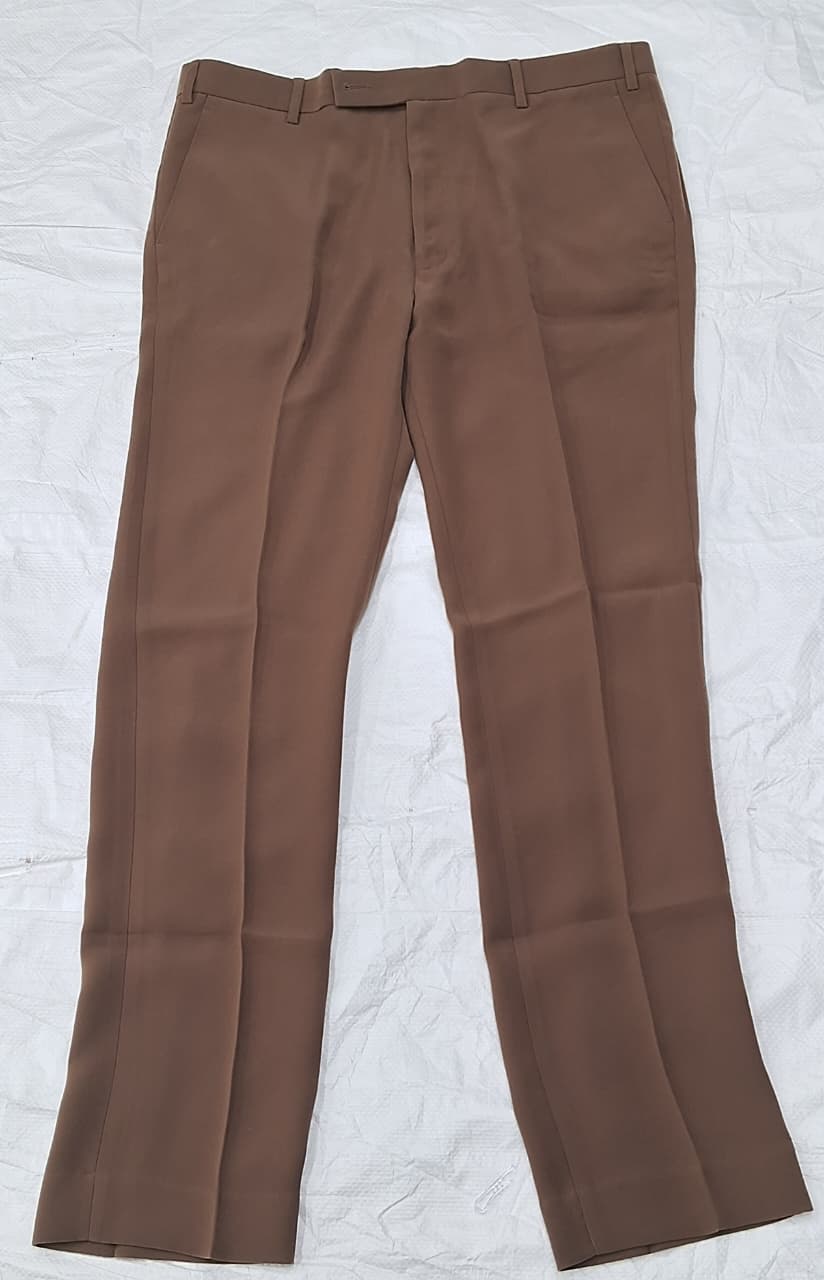
Corporate offices with a “business” or “smart” dress code allow more range. Mid greys, taupes and subtle textures can be worn with formal shirts and no jacket, and loafers are generally acceptable. This is where a small wardrobe of well-fitting formal pants earns its keep, because each pair can be rotated with several shirts.
Creative and start-up environments are often more relaxed, but formal pants still have a place. On days with presentations, client visits or interviews, they lift a simple shirt or fine knit into something more considered. In a humid city like Mumbai, breathable cloth and a comfortable rise matter as much as colour.
The trouser is the quiet partner of every outfit. When it fits, nobody notices it. When it doesn’t, nobody notices anything else.
Chapter IV
The importance of fit and fabric
Fit comes first because no fabric can rescue a poor cut. A trouser should close comfortably at the waist without a belt pulling it in. It should sit smoothly over the seat, allow you to sit and climb stairs without strain, and fall from the knee in a clean line. The length should suit your shoes and the look you want, from a full break to no break at all. Our Tailoring & Fit consultation covers each point in detail.
Fabric decides how that fit behaves through the day. Smooth worsted wools and their blends drape and hold a crease; cotton twills feel softer and more casual; stretch blends offer movement; textured weaves add depth to plain colours. Weight matters as much as fibre: lighter cloths for heat, mid-weights for air-conditioned interiors. Explore these in the Fabrics library.
Questions worth asking before choosing
- Where will I wear these most often, and with what?
- Do they suit my build: does the rise and leg shape balance my proportions?
- Will the fabric suit the climate I’ll wear them in?
- Which shoes will I wear with them, and is the length right for those shoes?
- Does the colour work with at least three shirts I already own?